
Overview
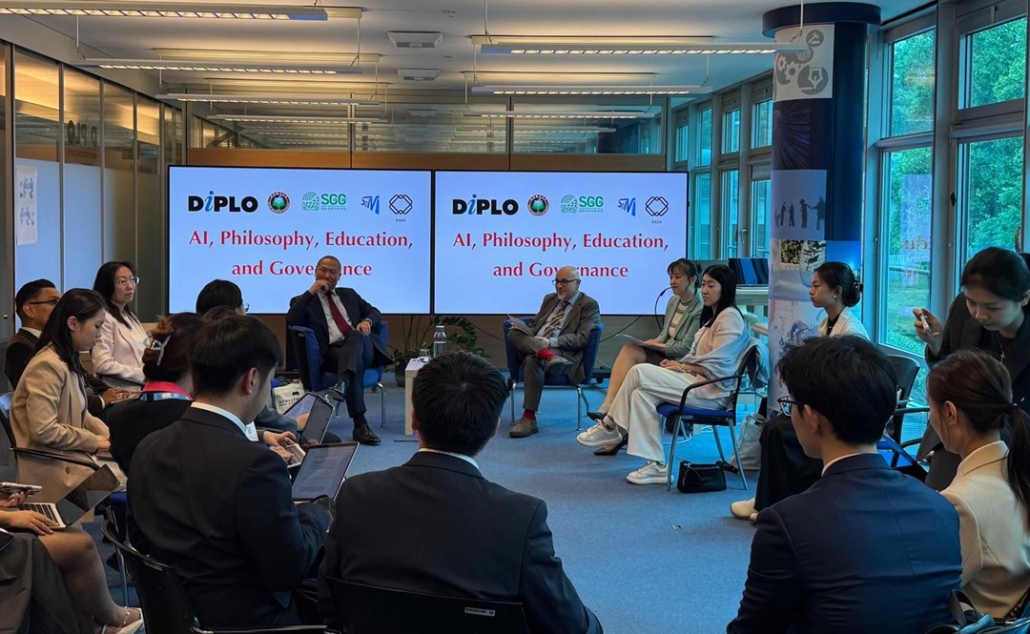
The rapid development of artificial intelligence (AI) presents profound philosophical, educational, and governance challenges and opportunities for the global community. To address these dimensions, we organised a discussion among young leaders and experts to explore how AI can be governed in a way that reflects shared human values and ensures inclusive, sustainable, and ethical development.
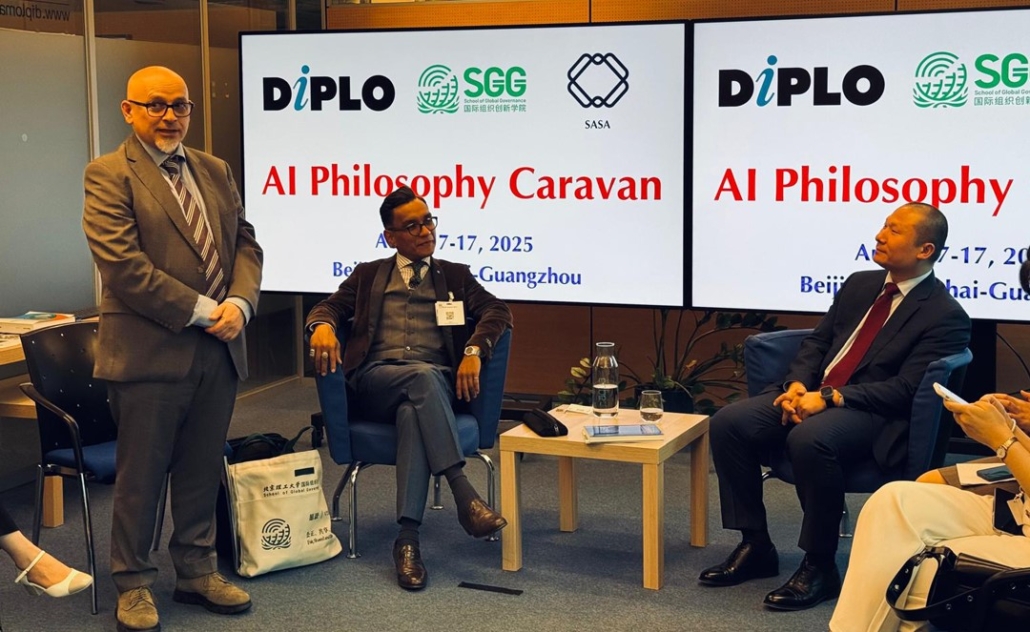
This event was organised by the DiploFoundation and the Beijing Institute of Technology on the sidelines of the WSIS Forum and the AI for Good Global Summit in Geneva, providing a timely opportunity to address the relevance of the AI era to European, Chinese, and other philosophical and educational traditions.
Objectives
- Examine the philosophical foundations and ethical implications of AI development and deployment.
- Explore the interplay between AI and education and discuss how to best integrate AI in educational systems to support critical thinking, creativity, adaptability, and prepare students for the AI era.
- Promote inclusive dialogue among policymakers, academia, youth, civil society, and private sector stakeholders.
- Provide a platform for youth and emerging scholars to engage in open dialogue on AI governance, share perspectives, and contribute to shaping inclusive and forward-looking AI policy discussions.
Programme
Opening remarks
A brief welcome set the stage for a half-day of insightful discussions on the multifaceted implications of AI in various sectors of society.
AI: Development and application
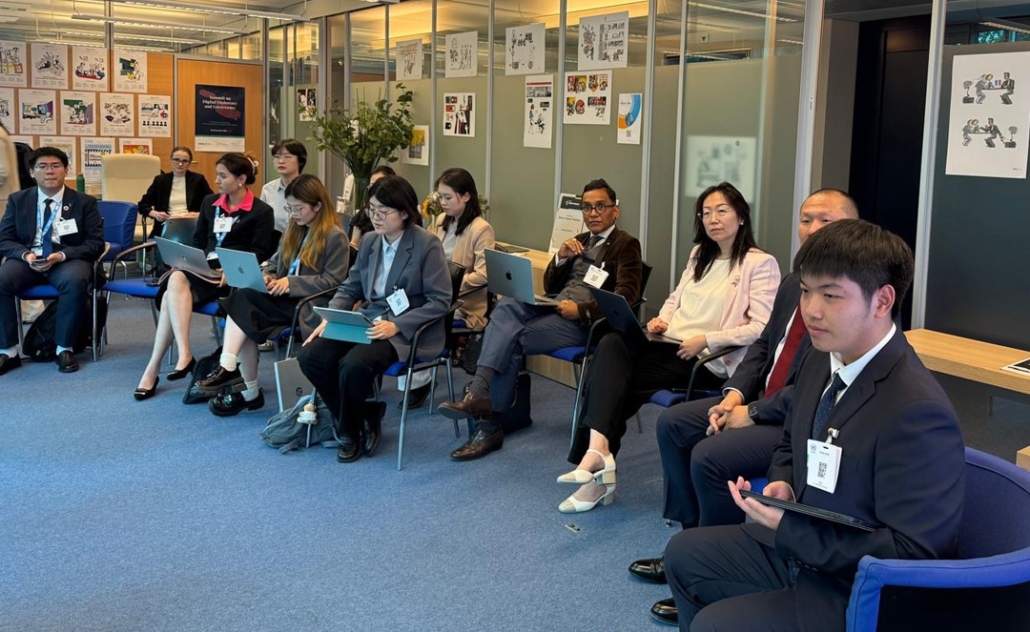
This session invited emerging scholars to share their perspectives, experiences, and aspirations regarding the development, deployment, and application of AI technologies. Through their insights, participants explored divergent trajectories in AI innovation, evaluated its societal and environmental impacts—both positive and negative—and discussed the competencies and mindsets the younger generation must cultivate. Special attention was given to those working at the intersection of science, technology, and engineering.
AI and education
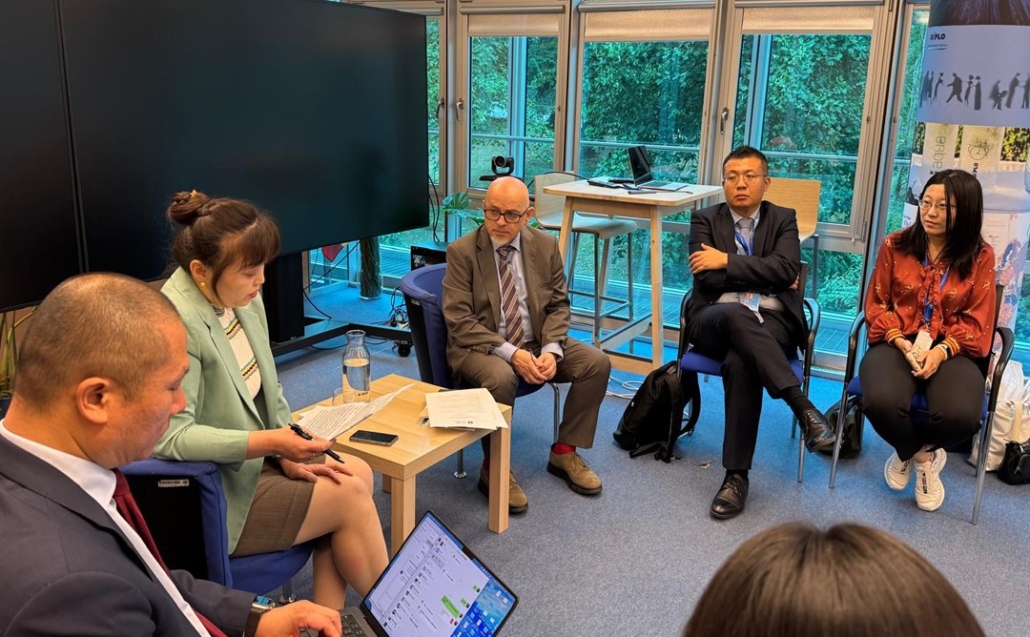
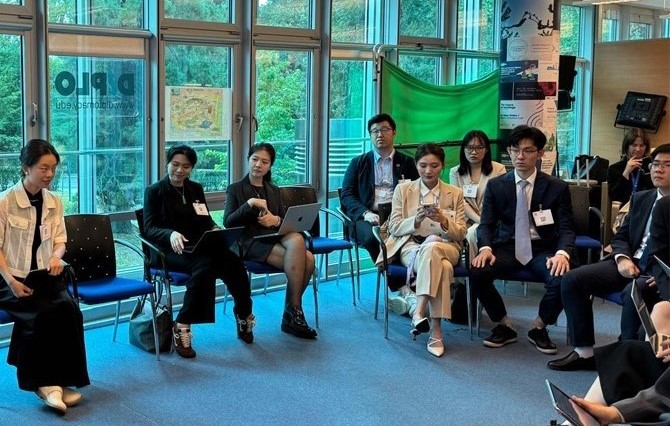
Focusing on the transformative potential of AI in reshaping education systems, this session addressed the dual dimensions of “AI for Education” and “Education for AI.” Discussions highlighted how AI can enhance teaching, learning, and capacity-building, ensuring that educational goals remain central. Simultaneously, panellists and participants considered necessary educational reforms to prepare learners and institutions for the AI era—ensuring that education not only adapts to AI but also guides its responsible use.
AI governance
This panel delved into critical issues in AI governance, analysing differences across regulatory regimes and identifying areas for potential consensus in the near, medium, and long term. The session provided a platform for reflecting on legal, ethical, and institutional frameworks essential for fostering accountable and inclusive AI governance.
AI and philosophy
This segment explored AI’s intersection with fundamental philosophical inquiries, including ethics, consciousness, and societal values.
Closing reflections
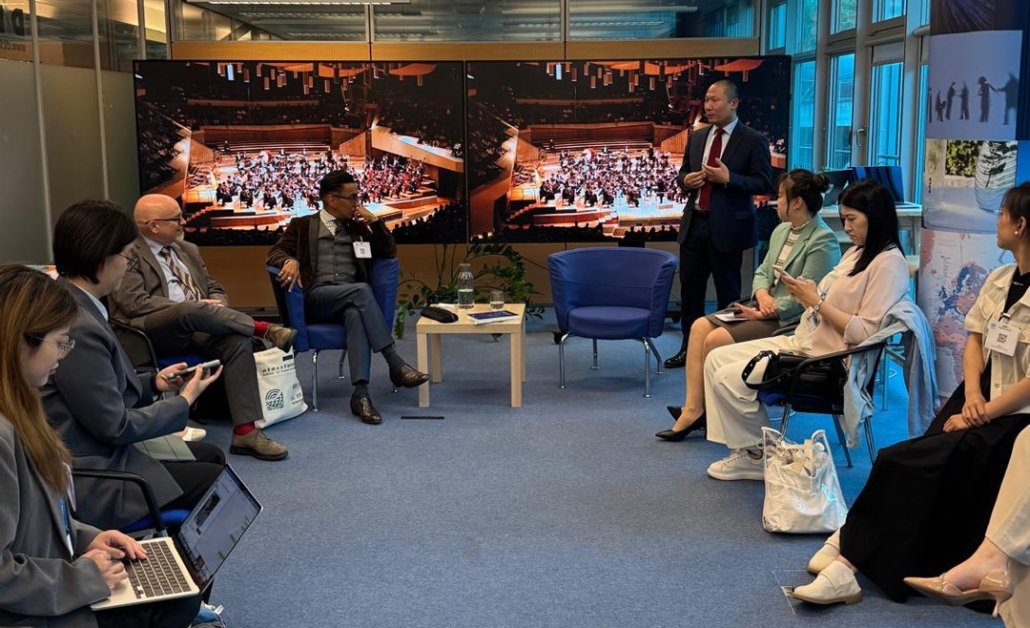
An opportunity to share final thoughts, reflect on the day’s discussions, and network with fellow participants in an informal setting.
Related actors:
Related people: