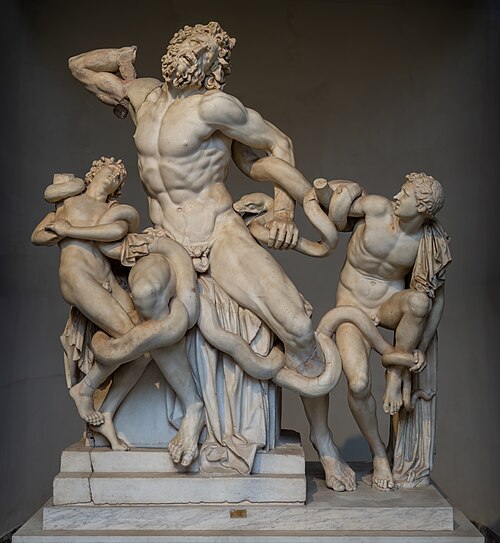
‘Beauty will save the world’, Dostoyevsky said poignantly, in his masterpiece The Idiot. But what is beauty? And why was it assigned such a task? Is it a matter of taste – which, as the saying goes, we shouldn’t debate? Is it a matter of timelessness, like all those works of art sitting in museums across the globe? Is it a matter of uniqueness? Originality? Profound emotion? Creative spirit? Is it a matter of value? And if so, what kind of value? Financial or spiritual? These questions may sound abstract, and we can discuss them all day. Humanity has spent millennia trying to define beauty. And there is still no universal, neat, and simple answer. Each era had its own criteria – beautiful things would fall in and out of fashion. Each era built on the previous one, but it also detracted from it. And with each change came scepticism – will what survives the change be worthy? Today, we stand neck-deep in a new wave of changes, brought on by the advent of AI. In the race to learn to use it, optimise it, increase productivity, cut costs, and produce, the simple question of beauty deserves its own place.
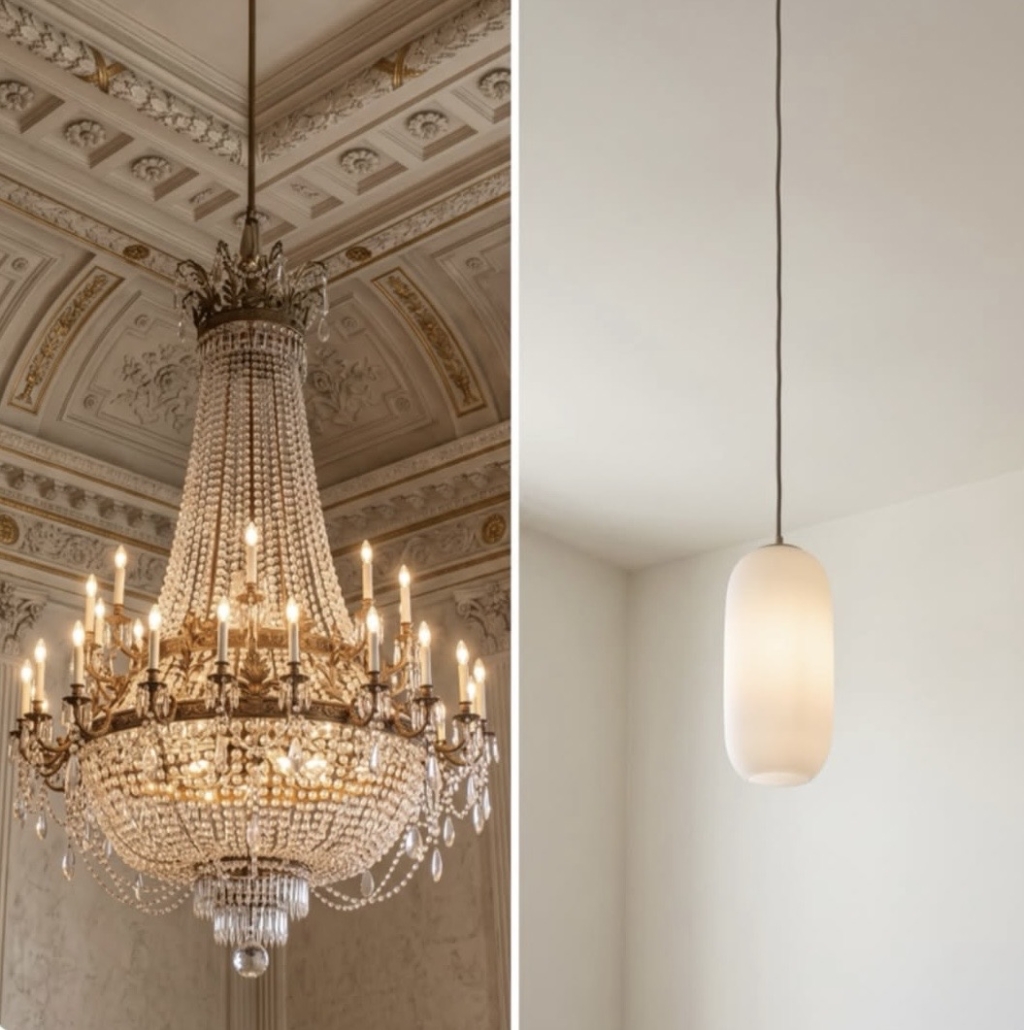
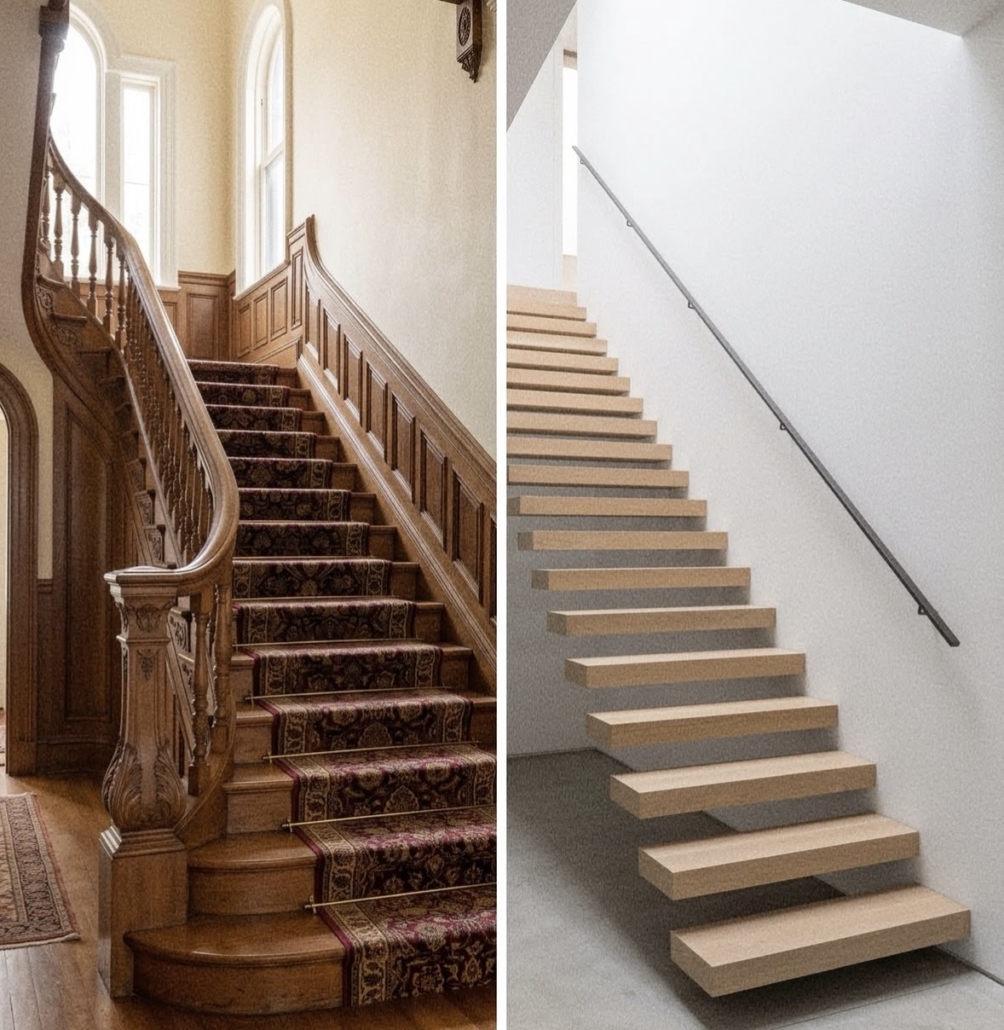
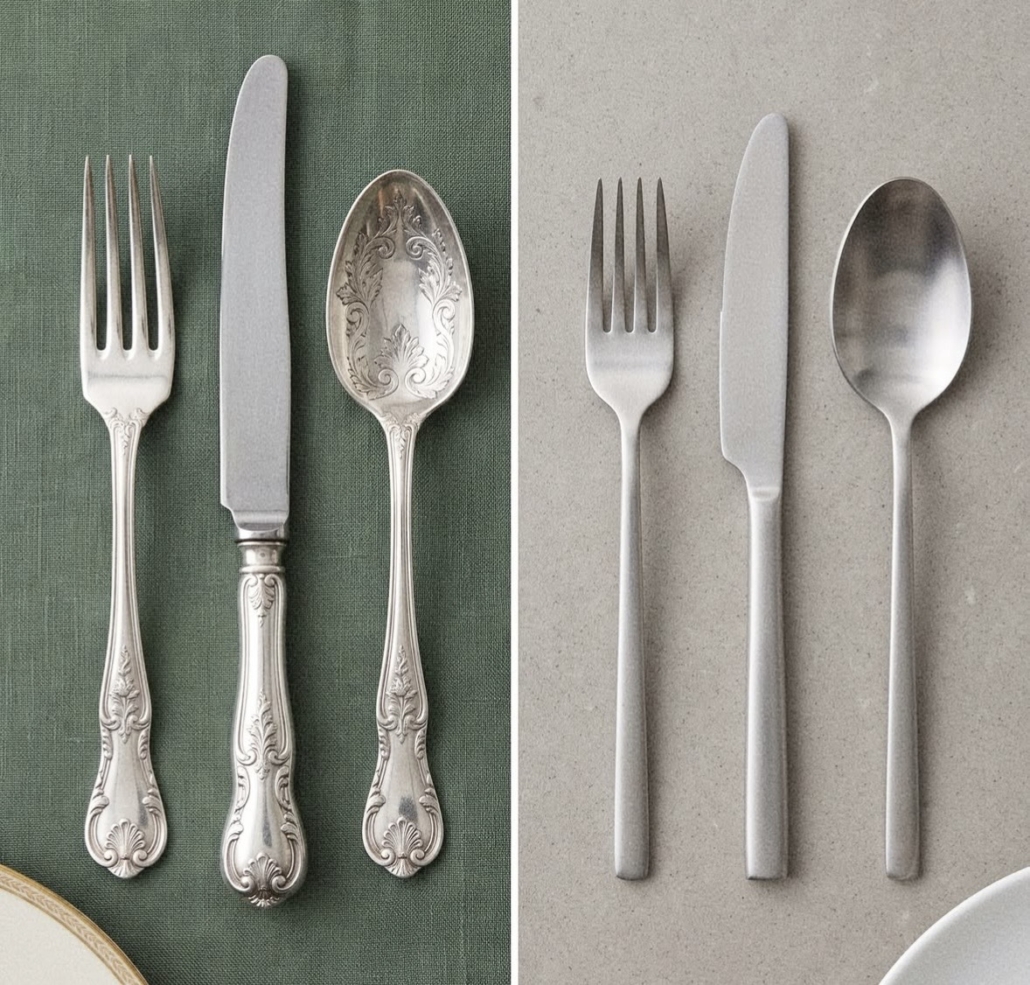
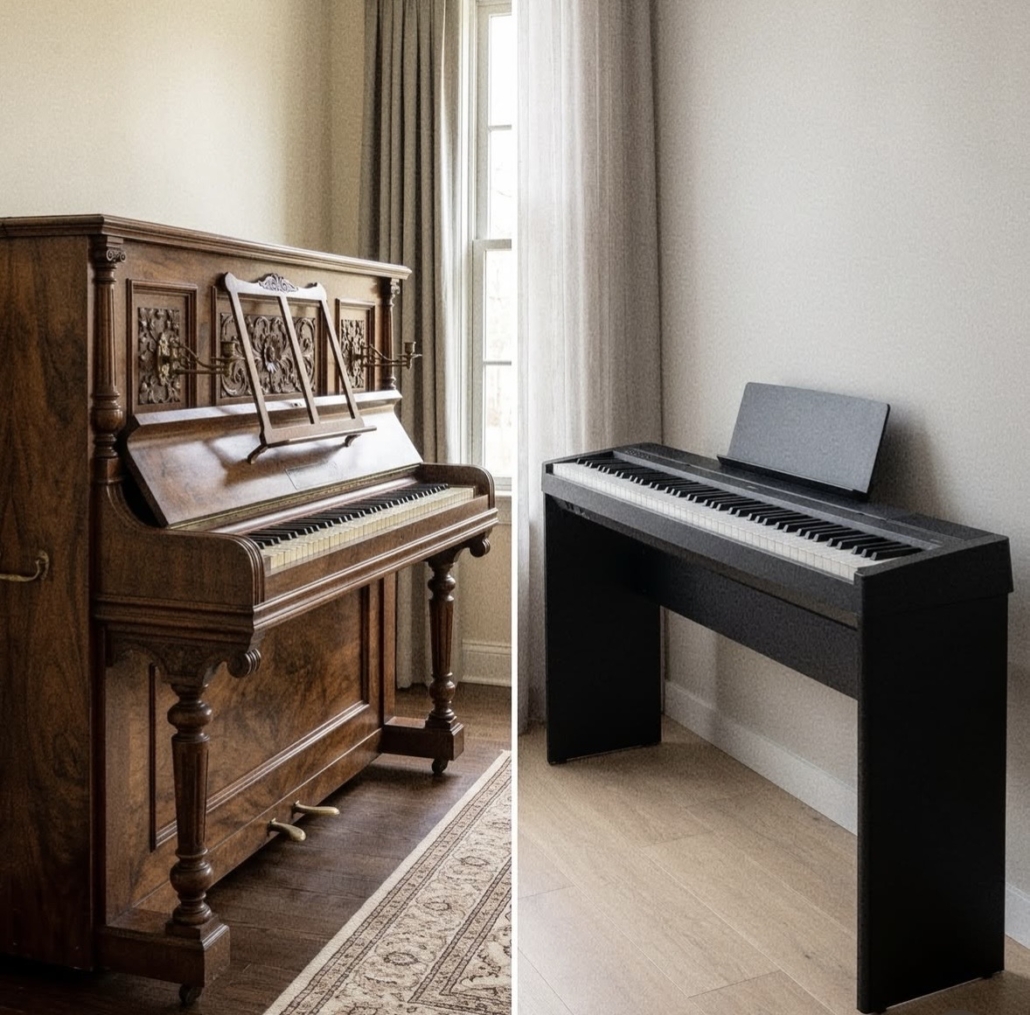
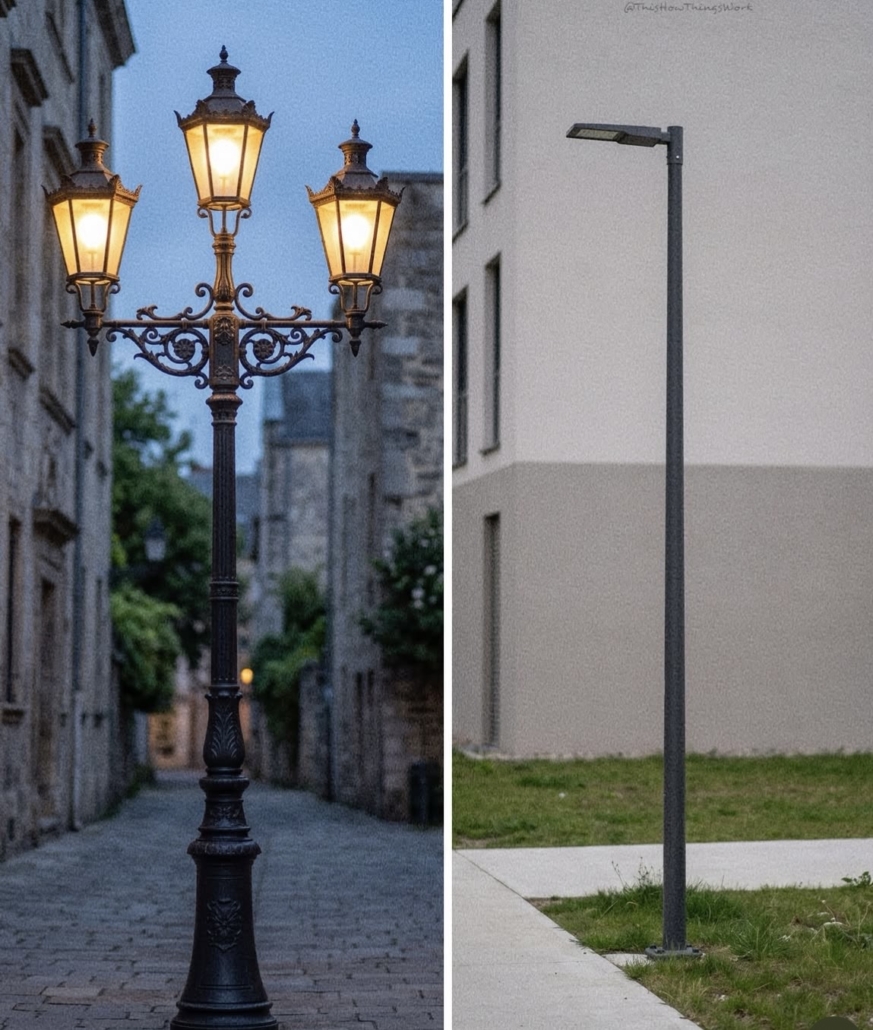
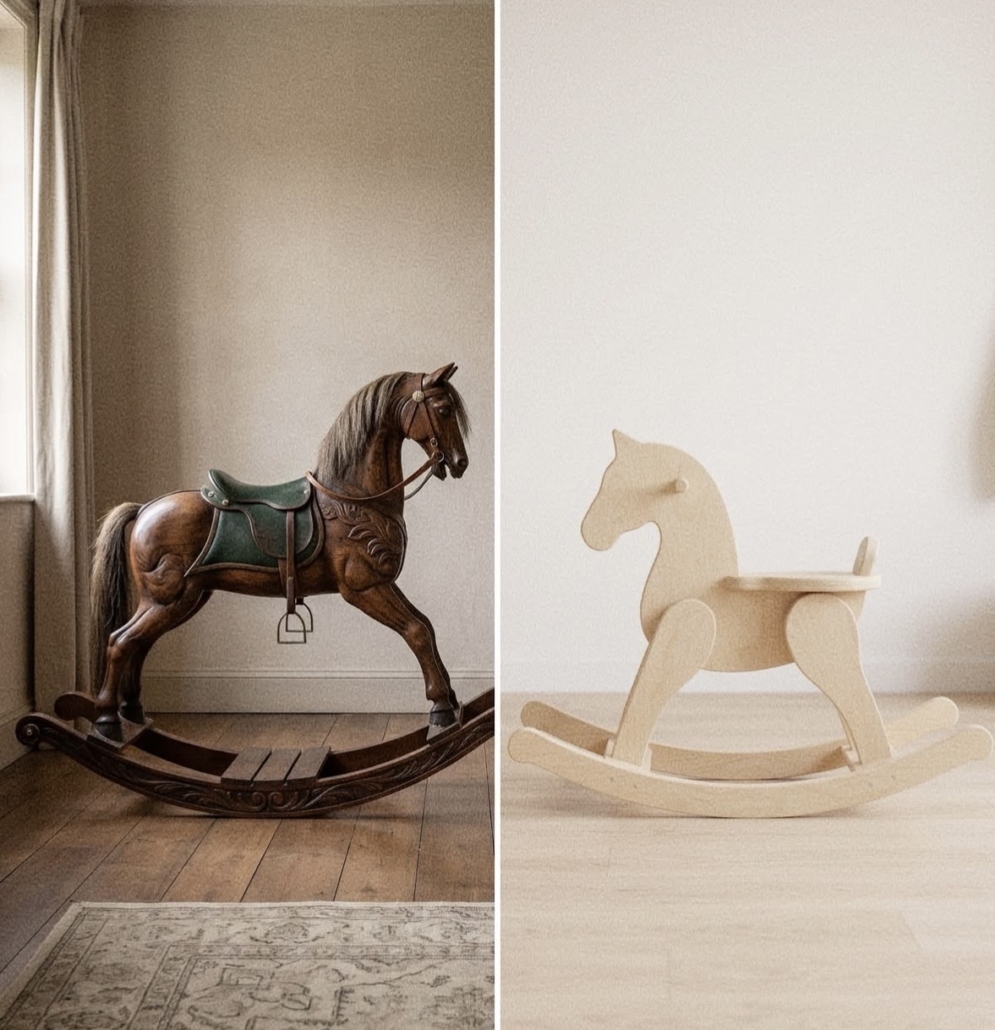
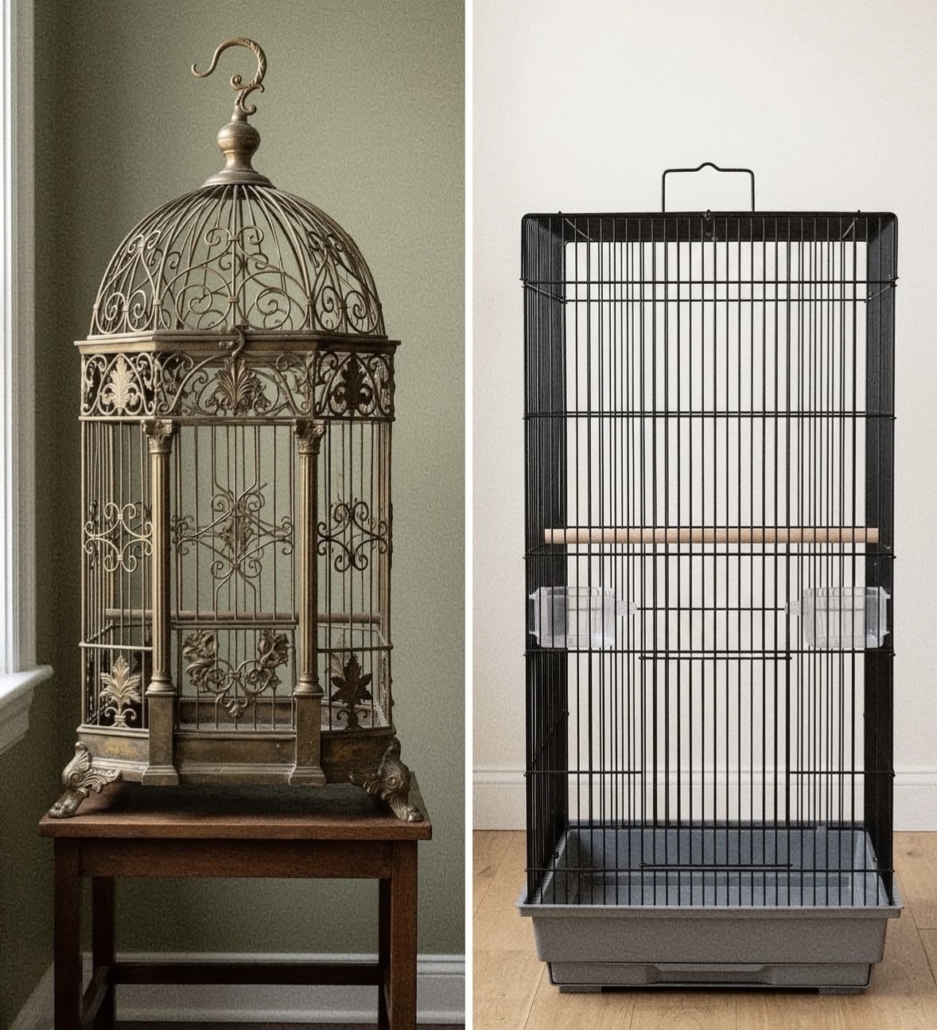
Whether AI-generated output is beautiful is still a matter of debate. Something else is becoming harder to ignore: much of it is beginning to look remarkably alike. The impression is not entirely subjective. A study examining more than four million AI-assisted artworks found that generative AI increased creative productivity and, at the highest end, could produce more novel work. At the same time, the average output became less novel. The more people used the technology, the more their creations tended to converge. Individual creativity could benefit while collective creative diversity suffered. That is a peculiar trade-off. We have built a tool capable of drawing on an enormous archive of human visual culture, yet its output can settle into a recognisable aesthetic of its own. The technology has access to centuries of paintings, sculptures, illustrations, photographs, architecture and design. There should be almost no limit to the variety it can produce. Yet spend enough time working with AI-generated images and certain patterns begin to emerge: familiar compositions, similar lighting, recognisable smoothness, recurring ideas of what makes an image attractive. And the same happens with written content. The question is: why? Part of the answer may lie in the technology itself: the way models are trained, the data they learn from and the mechanisms by which they generate and select an output. But there is another possibility worth considering. We should also look at the real world around us. The flattening of our visual environment did not begin with AI. Walk through almost any modern city and compare its street furniture with what came before. Older lamp posts, benches, railings and even drains were often designed with ornament, colour or craftsmanship in mind. Today, function tends to win the argument. Buildings have become simpler, shop fronts more uniform, branding more restrained. Cars, once available in a riot of colours, now seem to inhabit a purposefully negotiated palette of black, white, grey and silver.
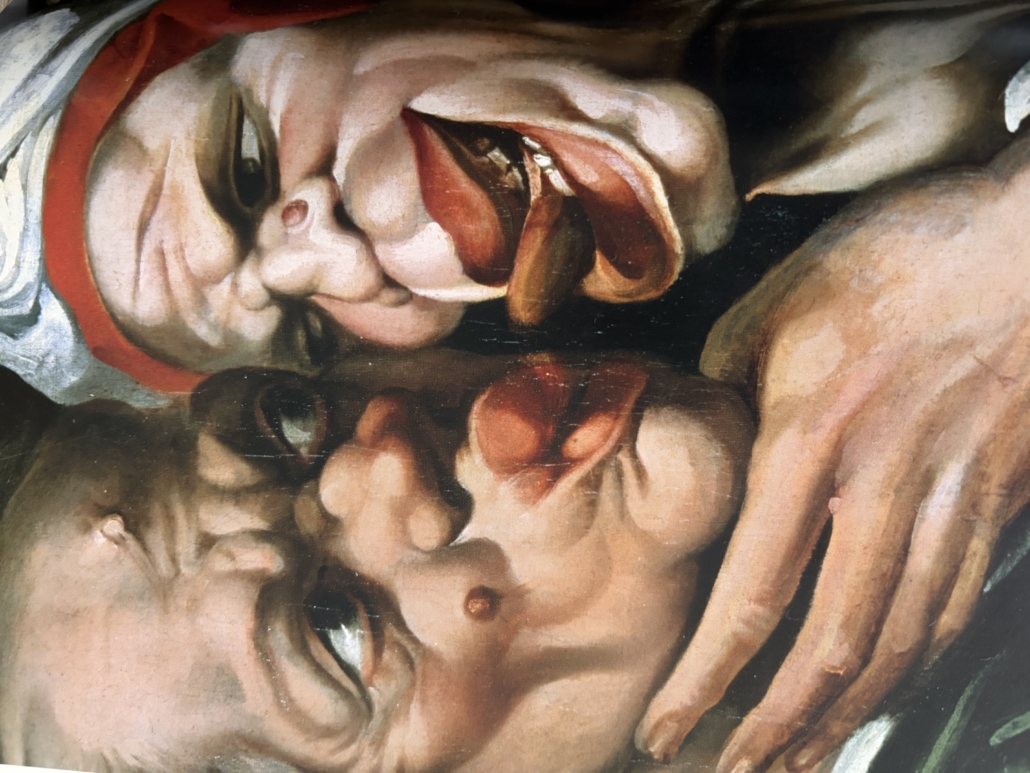
Even the places designed specifically to appeal to children have not escaped this. Where is the bright, exuberant commercial architecture of the 1980s and 1990s – the colours, the shapes, the willingness to make a building look like something other than a building? Much of contemporary design seems to have lost that particular appetite for visual excess. There are good reasons for this. Simpler objects are easier and cheaper to manufacture. Standardisation makes them easier to reproduce and maintain. Minimalism has its own long and respectable history as a design philosophy. The result is a world that looks… generic. Universal. Seemingly simple. And that is where the comparison with AI becomes uncomfortable. AI did not invent the aesthetic of the generic. It arrived in a culture that had already spent decades refining it. Perhaps the machine is learning from us more closely than we realise. Which brings us back to those shifting definitions of beauty. We tend to equate beauty with pleasantness: something elevated, pure, harmonious, perhaps even something grander than us. But the history of art opens a rather different debate. Many works of art are not bland or inoffensive. They are simply ugly. And ugliness has rarely been given the same sustained attention as beauty in discussions of aesthetics. Yet there have been attempts to bring it back into the spotlight, perhaps none more ambitious than the expansive encyclopaedia of the often-overlooked aesthetics of the ugly, the grotesque and the macabre: Umberto Eco’s On Ugliness. Aesthetic value, as Eco shows through centuries of art and cultural history, is not synonymous with pleasantness. What we find beautiful can also be disturbing, grotesque, frightening, or deeply uncomfortable. A picture by Hieronymus Bosch can hardly be called lovely, yet it can hold our attention, inviting us to examine its grotesque figures and disturbing scenes. Maybe it can even move us. Literature does the same, the genre of horror specifically. Often dismissed as not ‘real literature’, horror deliberately takes us somewhere unpleasant. It makes us look at fear, violence, obsession, grief, loneliness, cruelty, and the darker corners of the human psyche. These are not particularly pretty parts of being human, but they are human nonetheless. And oddly enough, they reconnect us with our humanity. How does AI fit into that picture? An image generator can produce something grotesque, disturbing, or deliberately ugly in seconds. It can reproduce the visual vocabulary of horror, imitate the conventions of the grotesque and combine them in ways that are technically impressive. But after prolonged exposure to AI-generated imagery, can we assume that even its ugliness will start to look familiar? If AI can produce beauty, and it can produce ugliness, too, with the same ease and speed, we arrive at a more interesting question – whether either can give us that profound feeling of pleasure, happiness, unease, discomfort, or even fear that makes us look beyond the image itself, towards those hidden and overlooked parts of being human. Perhaps this is where blandness becomes more useful as a concept. A thing does not have to be pretty to be generic. It does not even have to be beautiful to be pleasant. And something can be deliberately ugly while still possessing enormous aesthetic and cultural value. The question, then, is what makes something worth looking at. There is another way to think about that old-fashioned, ornate street bench, decorative drain or elaborately designed lamppost. It costs more. Someone had to design it. Someone had to manufacture it. The materials may cost more, the manufacturing process may be slower, and maintaining it may be more complicated. When thousands or millions of identical objects are required, the economic case for making every one of them decorative becomes difficult to defend. Standardisation is not simply a failure of imagination. It is often an extremely sensible economic decision. The same logic applies to creative work. Consider a small business owner who needs a logo, a website, product descriptions, photographs, advertising copy and a steady stream of social media posts. Hiring a professional for every one of those jobs may be desirable, but it may also be impossible. There is rent to pay, employees to pay, taxes, suppliers and a dozen other expenses competing for the same limited amount of money. AI changes the calculation. A business owner who can produce a usable piece of marketing material for a fraction of the cost may quite reasonably decide to do exactly that. There is little point in moralising about the decision without acknowledging the economics behind it. Creative professionals have bills to pay; small businesses do, too. Sometimes the choice really does come down to what the budget can absorb. But something changes when the cheaper option is no longer merely cheaper. When it becomes good enough, fast enough and available enough, we begin to ask a different question: what was the more expensive option worth in the first place? That question is harder to answer. There is an assumption that the value of a creative object lies in what we can see: the image, the text, the design, the finished product. Yet our perception of value is also shaped by what we believe went into making it. Research into AI-generated art offers a curious glimpse of this. A recent study found that people could appreciate AI-generated art aesthetically to a degree comparable to that of human-created work, while still assigning it lower economic value. One explanation was the perceived effort behind the work: when people believed that more human effort had gone into creating an artwork, they tended to value it more. Making the human contribution visible reduced the gap somewhat. In other words, we may not value only the thing itself. We also value the effort we believe went into producing it. That creates an interesting conundrum for a technology designed to make production easier. If an image that once required hours of work can now be produced in seconds, should it be worth less? If a logo can be generated before the coffee gets cold, does that make the logo less valuable? Or are we simply revealing that cost and worth were never the same thing to begin with? The ornate drain offers no easy answer either. Perhaps the plain one is perfectly adequate. But the ornate one makes a street more interesting, gives a place a sense of identity, or survives for a century because someone once decided that even a drain was worth making beautiful. We do not know, at the moment, which of today’s choices will prove worth the extra cost. We may need something that neither markets nor algorithms can provide on demand: time. Time may be the only thing capable of telling us what something was truly worth. We know what survived from previous centuries: paintings that still make us stop, books that are still read, buildings that still shape the places around them, stories that still find their way into new generations. Some were expensive. Some were made by celebrated masters; others by people whose names we no longer know. Some were considered beautiful in their own time, while others were strange, ugly or even offensive. What they have in common is that they endured. We are too close to the present moment to know what will happen to the things we are producing now. AI can make images, text, music, and designs in quantities that would have been unimaginable only a few years ago. It can make production faster, cheaper, and accessible to almost anyone. But abundance changes the question. When almost anything can be produced, what makes something worth our attention? And when almost everything looks possible, what makes one thing worth remembering? Perhaps that is where the real challenge lies. Not in teaching machines to make beautiful things – they already can. Not even in deciding whether AI-generated work is art. The harder question is what we, as humans, will choose to notice, value and keep. What is beauty when it is cheap? What is value when beauty is abundant? What is creativity when production is limitless? What is worth keeping?
The flattening
On ugliness
The cost vs worth
What remains