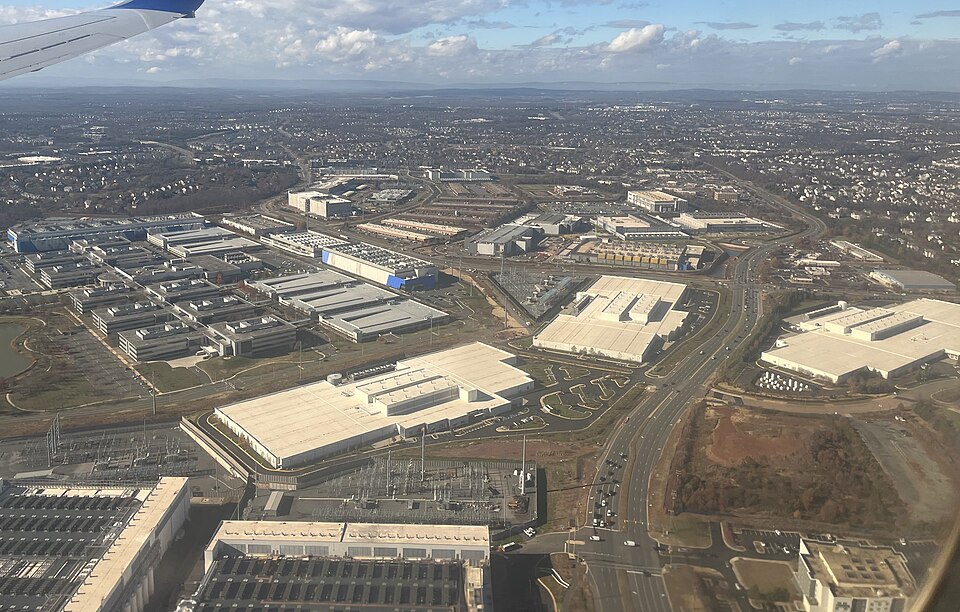
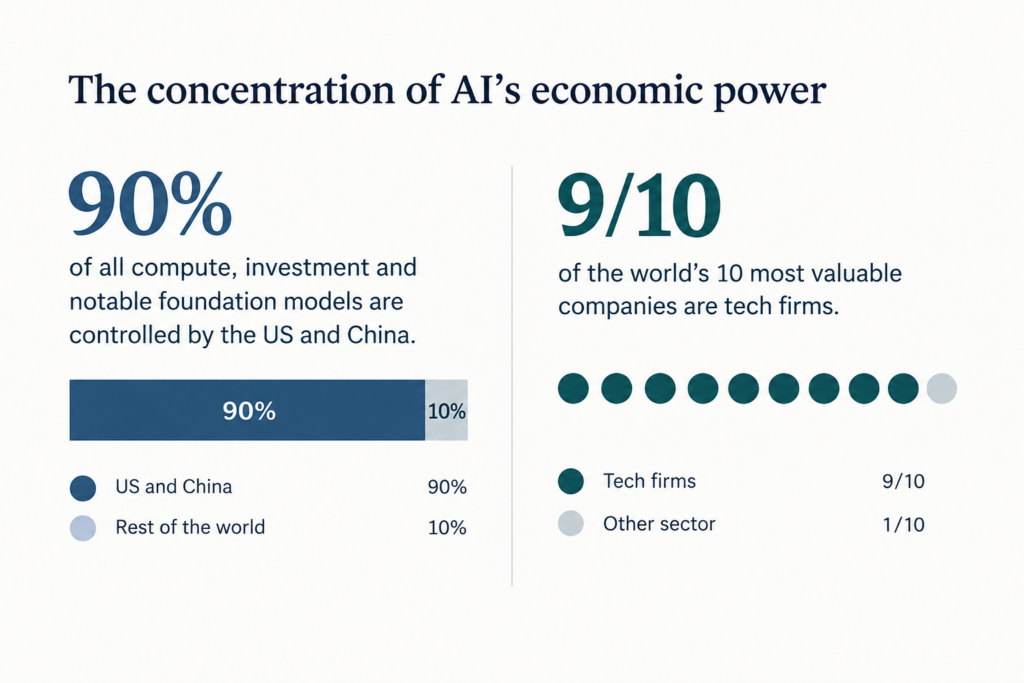
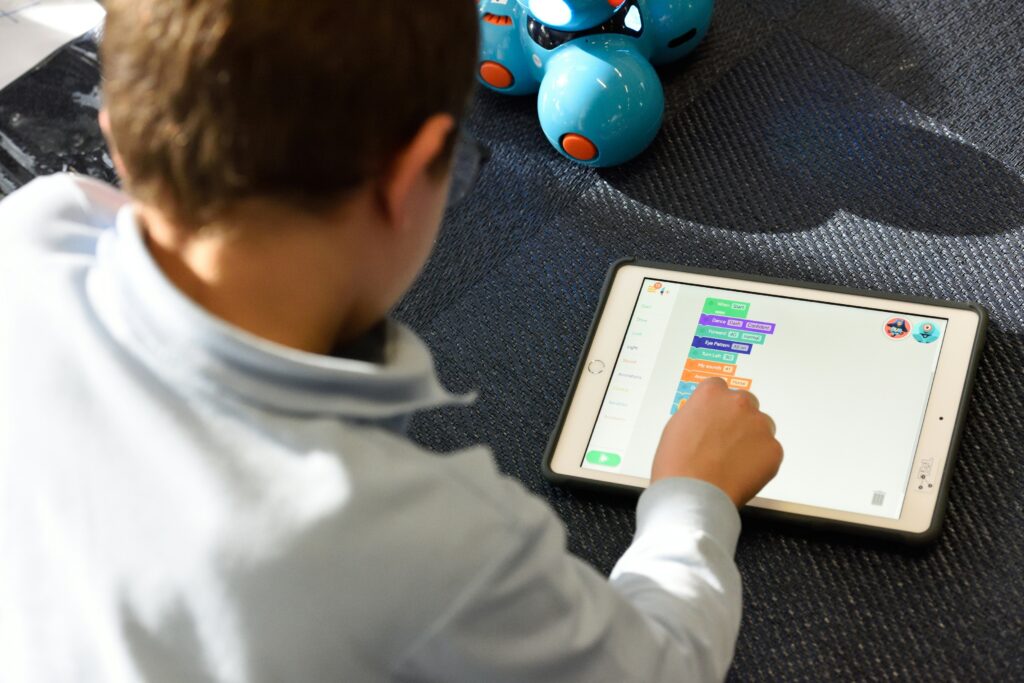
The world is moving quickly into an AI-driven future, with unprecedented investments in hyperscale data centres, new software, and new services. At the same time, there is not yet a clear, shared understanding of the implications of these developments for nature, the economy and society in general. This creates an urgent need first to understand the opportunities and risks AI may have in these domains, and then to inclusively and proactively shape ecological and societal AI developments. Here we outline the new nexus that AI triggers between nature, economy and society, building on Diplo’s long experience in researching the impact of digital technologies, including AI. Earth is the only planet known to support life, according to current scientific evidence. Everything we do depends on access to clean water, air, and food. These are now under severe strain. Seven of nine planetary boundaries have already been breached: higher biodiversity collapse, soil collapse, chemical overload, ocean acidification, rising temperatures, more forest fires, melting glaciers, and a higher frequency of droughts and flood-related disasters. By any measure, Earth’s life-supporting systems are collapsing. With AI, this process is accelerating rather than slowing down. AI implies increased use of energy, water, and non-renewable resources, more CO2 emissions, as well as mounting electronic waste volumes and pollution. Global data-centre capacity is expected to double, from about 103 GW now to 200 GW by 2030. By 2030, AI could be demanding as much clean water for cooling as 1.3 billion people and as much energy as almost 2 billion people. And the need for minerals and metals is surging so much that Big Tech now looks into mining in outer space and at the ocean floor. These dynamics underscore the importance of giving greater attention to AI’s environmental implications and integrating them more systematically into the global debate on AI governance. From an economic perspective, AI is reshaping how value is created, distributed, and captured. It can raise productivity by automating routine tasks, augmenting human work, and accelerating research, design, and service delivery. At the same time, the gains from these improvements are not automatic or evenly shared among countries or communities. Many of the gains are accrued by those who control data, compute, models, and platforms. This leads to growing geo-economic competition between countries with the most resources and advanced technologies. The current race to generate financial value from artificial intelligence (AI) is concentrated in two countries: the United States and China. They control 90 per cent of all compute, investment, and notable foundation models, and nine of the top 10 most valuable companies in the world are tech firms (with Saudi Aramco being the only other firm in the list). This concentration of AI power threatens the nature of market economies, trade systems, and policy-making processes. We are still uncertain how this will affect economies, jobs, and people around the world. What policy responses will be required to ensure that AI brings sustainable and desirable outcomes for the many, rather than only for a few? Just as AI affects the economy and environment, its impacts on society are also becoming more pronounced. More and more, AI is shaping individual choices through algorithmic recommendations, rankings, and automated decision-making. At the same time, the growing role of chatbots and online social engagement risks displacing or reshaping human interaction and connection. People are not only interacting directly with AI; they are living in societies increasingly mediated by AI through schools, workplaces, healthcare, public services, financial systems and media platforms. The impacts of living and growing up in such societies are still largely unknown. These changes are having the most severe effects on children and younger generations. Children are adopting AI technology three times faster than adults. In the US, more than half of teens say they use chatbots to find information or do schoolwork, while in the UK, between 56 and 66 per cent of children use AI. Many of these children do not necessarily understand how AI works, and few question the accuracy of different AI tools. AI can have direct effects on children and young people through better learning support, creativity, and participation, but can also undermine their privacy, lead to new forms of exploitation, and expose them to misinformation. AI’s impact on the environment and economy can also affect children’s immediate environment. In some settings, it may create new jobs for their parents and improve their prospects, but in others, it may lead to loss of livelihood and job displacement. AI-mediated public services available to them can be beneficial only when they are transparent and free from bias. Environmental harms from unchecked development of AI infrastructure can increase pressure on local resources, with consequences for families and communities where children live, as well as for generations to come. These three spheres – nature, economy, and society – cannot be treated in isolation. The AI race among big tech platforms endangers nature, while the same dynamics affect children’s futures. Moreover, the economy’s survival is constrained by natural limits; the unlimited pursuit of data centres and natural resources is already facing pushback from societies worldwide. We need strategic efforts to raise awareness of potential implications of AI on people and the planet to help align policy priorities on what is needed for current and future generations. The initiative is in line with the philosophy of the Sierra Club, ‘not blind opposition to progress, but opposition to blind progress’. Shifting attention away from short-term economic gains to the long-term sustainability of our planet and societies is no easy task. It will require raised awareness on a grand scale, from the grassroots level up, of what is at stake, and the development of new strategies in response, drawing on knowledge and expertise of multiple strands of society. The choices we make today will affect the trajectory of our lives and those generations yet to come. Ancestral wisdom of indigenous communities, for example, will be essential to charting a new way forward, recognising that humans are part of nature, not superior to it. Through informed, inclusive, and multidisciplinary discussion, involving experts from around the world and building on existing evidence and activities, we aim, through a new initiative, to address these interconnected challenges – revitalising the core drive for progress and protecting Earth’s life-supporting mechanisms for ourselves and future generations. This will also have to consider what communication tools are most effective in these times of a fast-changing media landscape. Diplo’s approach, built on decades of bridging technology, content, and human interaction, provides an excellent foundation for this dialogue. Ultimately, this new initiative will develop recommendations on how to be better ancestors for future generations, including on using new technologies to deal with challenges ahead.
Authors: Jasmina Byrne and Torbjörn Fredriksson
Nature
Economy
Society
Understanding the interplay